Alopecia and Hair Loss: Possible Causes and Types
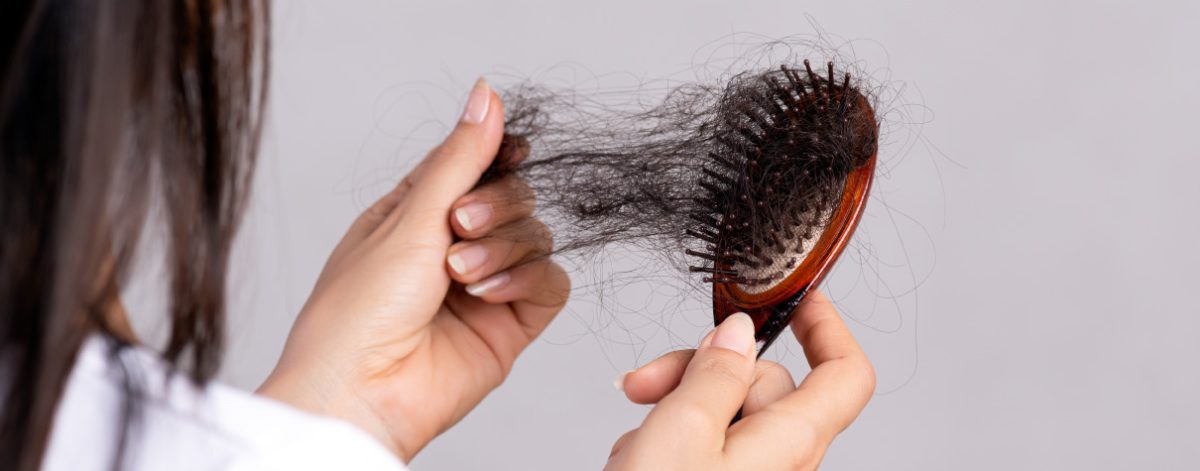
Alopecia and hair loss are hair-related conditions that can affect anyone. These disorders may be temporary or permanent and can have different causes, including genetics, hormonal changes, medical conditions, ageing or stress. There are several types of alopecia, mainly classified as scarring and non-scarring alopecia. Male and female pattern hair loss, as well as alopecia areata, are among the most common forms.
What is alopecia?
Alopecia is a condition that can affect people of all ages and genders, causing hair loss in different areas of the body. It may be temporary or permanent and can be associated with several factors, such as genetics, hormonal changes, medical conditions or stress.
Scarring alopecia
- It involves the destruction of the hair follicle.
- It may be irreversible.
Non-scarring alopecia
- It is potentially reversible.
There are different types of alopecia, each with its own specific characteristics and causes. Individualised treatment may be required depending on the nature of the hair loss.
Types of alopecia
Alopecia can be classified into different types, each with distinct characteristics and causes.
Scarring alopecia
Scarring alopecia is an irreversible type of hair loss that involves the destruction of the hair follicle.
Characteristics
- It causes scar tissue to form on the scalp.
- It may be caused by infections, burns or autoimmune diseases.
Common causes
- Genetic factors.
- Autoimmune diseases such as lupus.
Non-scarring alopecia
Non-scarring alopecia is potentially reversible and can appear in different forms, including androgenetic alopecia, alopecia areata and traction alopecia.
Androgenetic alopecia
This is the most common type of baldness and affects both men and women. It is characterised by progressive hair loss.
Alopecia areata
Alopecia areata causes round patches of hair loss and is usually associated with a malfunction of the immune system.
Traction alopecia
This type of alopecia is caused by constant pulling on the hair, such as wearing tight braids or frequently tying the hair back in ponytails.
Causes of hair loss
Hair loss can be related to several factors. Identifying the underlying cause is important in order to determine the most appropriate treatment. Some of the most common causes include:
Genetic factors
Genetic predisposition plays a major role in hair loss, with hereditary pattern baldness being one of the main causes of alopecia.
Hormonal changes
Changes in hormone levels, such as those that occur during menopause or as a result of hormonal imbalances, can trigger hair loss.
Medical conditions
Lupus: An autoimmune disease that can cause hair loss as one of its symptoms.
Thyroid disorders: Changes in thyroid gland function can cause hair-related problems, including hair loss.
Stress and emotional factors
Physical and emotional stress can contribute significantly to hair loss. It may trigger sudden shedding or worsen pre-existing conditions.
Medicines and supplements
Some medicines and supplements may cause hair loss as a side effect. It is therefore important to review any possible interactions and consult a healthcare professional when experiencing this symptom.
Diagnosing alopecia
Diagnosing alopecia is essential to identify the cause of the hair loss and establish an appropriate treatment plan. The following aspects may be considered during the diagnostic process:
Medical history
The patient’s medical history is essential when diagnosing alopecia. The doctor will collect detailed information about the patient’s health, family history of baldness, previous medical treatments and other relevant factors that could be related to the hair loss.
Physical examination of the scalp
A physical examination of the scalp is a fundamental part of diagnosing alopecia. The doctor will carefully examine the scalp for signs such as inflammation, flaking, thinning areas or hair loss.
This examination helps determine the type of alopecia and its possible cause.
Additional tests
Blood tests
In some cases, blood tests may be required to assess hormone levels, thyroid function, the presence of autoimmune diseases or other factors that could be contributing to the alopecia.
Scalp biopsies
In certain cases, the doctor may recommend a scalp biopsy to obtain tissue samples for examination under a microscope. This can help diagnose specific types of alopecia and determine the most suitable treatment.
Male and female pattern hair loss
Characteristics of male pattern hair loss
Male pattern hair loss is characterised by a gradual loss of hair on the top of the head and around the temples. This type of alopecia mainly affects men and is usually associated with genetic and hormonal factors.
Distribution and affected areas
- Hair loss usually begins at the crown and the temples, creating the classic receding M-shaped hairline.
- Over time, the hair loss may extend towards the front and top of the head, creating a noticeable area of thinning.
Specific treatments
- Treatment for male pattern hair loss may include topical medicines such as minoxidil, which can help stimulate hair growth.
- In more advanced cases, a hair transplant may be considered to restore hair volume and density in the affected areas.
Characteristics of female pattern hair loss
Female pattern hair loss causes progressive thinning on the top of the head without usually resulting in complete baldness. Unlike male pattern hair loss, this form of alopecia tends to be more diffuse and less noticeable around the frontal hairline.
Distribution and affected areas
- Women with female pattern hair loss experience reduced hair density in the central area of the scalp, which can make the hair appear less abundant.
- The frontal hairline usually remains intact, although an overall reduction in hair volume and quality may be observed.
Specific treatments
- Treatment for female pattern hair loss may include topical medicines such as minoxidil or oral treatments such as spironolactone, which can help slow down hair loss and stimulate hair growth.
- It is important to consult a dermatologist to receive an accurate diagnosis and determine the best treatment approach for each individual case.
Alopecia areata
Alopecia areata is characterised by the sudden loss of hair in round or irregular patches, which can be a cause of concern for those affected. The symptoms and available topical and oral treatment options are described below.
Symptoms and clinical presentation
- Sudden hair loss in localised areas.
- Round or oval patches without visible signs of inflammation.
- It may affect the scalp, eyebrows, eyelashes or beard.
Available treatments for alopecia areata
Topical treatments
- Topical corticosteroids may be used to reduce inflammation and encourage hair growth.
- Minoxidil may be applied to stimulate hair growth in the affected areas.
Oral treatments
- Systemic corticosteroid treatment may be considered in cases involving extensive hair loss.
- Immunosuppressive therapies may be used to regulate the immune system’s response to the condition.
Basic hair care
Maintaining good hair health is essential for keeping the hair strong and healthy. The following basic measures can help preserve the health of your hair:
Diet and essential nutrients
- A balanced diet rich in vitamins and minerals is essential for healthy hair.
- Important nutrients for hair health include biotin, zinc, iron and omega-3 fatty acids.
Scalp hygiene
- Washing your hair regularly with a gentle shampoo suitable for your hair type helps keep the scalp clean and free from dirt and excess oil.
- Avoiding the excessive use of hair products and washing the hair with very hot water can help prevent scalp dryness and irritation.
Habits that can help prevent hair loss
- Avoiding very tight hairstyles and the frequent use of heated styling tools, such as hairdryers or straighteners, can reduce hair damage and hair loss.
- Maintaining an active lifestyle and staying properly hydrated can support overall hair health.
Specialist medical care
When dealing with hair-related conditions such as alopecia and hair loss, it is important to seek specialist medical care to obtain an accurate diagnosis and appropriate treatment.
When should you consult a dermatologist?
- When you notice any signs of abnormal hair loss.
- When there are sudden changes in the health or appearance of your hair.
- When hairless areas appear on the scalp.
The role of medical professionals in treating alopecia
Dermatologists and hair health specialists play an essential role in identifying the underlying cause of alopecia and recommending the most suitable available treatment.
Personalised treatment and medical follow-up
Every case of hair loss is different. Treatment must therefore be personalised to meet the individual needs of each patient.
Appropriate medical follow-up helps ensure that the treatment is effective and allows it to be adjusted according to the progression of the condition.


 info@palmmarmedicalcenter.com