Discover all the
latest news


All posts


Bipolar disorder is a mental health condition that causes extreme changes in mood. These changes may include episodes of mania or hypomania followed by periods of severe depression. Understanding bipolar disorder is essential for both those who experience it and their families. This article provides information about its main characteristics, types, symptoms, available treatments and its impact on daily life.

What is bipolar disorder?

Bipolar disorder is a mood condition that causes extreme fluctuations between episodes of mania—characterised by euphoria or intense irritability, increased energy and heightened activity—and depressive episodes involving profound sadness, fatigue and hopelessness. These changes can be severe and may affect a person’s personal, professional and social life.

The causes of bipolar disorder are complex and may involve several factors, including:

  • Genetic factors: A family history of the condition may increase the risk of developing it.
  • Biological factors: Changes in brain chemistry and brain structure may be involved.
  • Environmental factors: Stressful events, trauma or high-pressure situations may trigger episodes.

The way these factors interact varies from person to person, making the condition more difficult to understand and treat.

Types of bipolar disorder

There are three main types of bipolar disorder:

  • Bipolar I disorder: Characterised by manic episodes that may last at least seven days or be severe enough to require hospitalisation. Prolonged depressive episodes may also occur.
  • Bipolar II disorder: Characterised by depressive episodes and hypomanic episodes, which are less severe than mania but can still be disruptive.
  • Cyclothymic disorder, or cyclothymia: Involves less intense but recurring periods of hypomanic and depressive symptoms that do not meet the full diagnostic criteria for the other types.

Symptoms of bipolar disorder

The symptoms of bipolar disorder vary depending on the type of episode.

Symptoms of mania or hypomania

  • Excessive euphoria or extreme irritability.
  • Increased energy and a reduced need for sleep.
  • Rapid or disorganised speech.
  • Impulsive behaviour and risky decision-making.

Symptoms of depression

  • Feelings of profound sadness or hopelessness.
  • Loss of interest in everyday activities.
  • Fatigue, difficulty concentrating and changes in sleep patterns.
  • Thoughts of self-harm or suicide.

Causes and risk factors

Although the exact cause of bipolar disorder has not yet been established, several factors are believed to contribute to its development. Genetics play an important role, as an inherited predisposition appears to influence the likelihood of developing the condition.

Changes in certain neurotransmitters may also be related to the extreme emotional fluctuations associated with bipolar disorder.

In addition, emotional or physical factors, such as stress or certain physical and psychological health conditions, may trigger abrupt changes in mood.

Diagnosis

Bipolar disorder is diagnosed by a mental health professional through:

  • A clinical assessment and review of personal and family history.
  • Physical examinations and tests to rule out other conditions.
  • Observation of patterns of manic and depressive episodes.

Treatment

Treatment for bipolar disorder usually includes:

  • Medication: Mood stabilisers such as lithium or valproate, atypical antipsychotics and antidepressants used in combination with mood stabilisers.
  • Psychotherapy: Cognitive behavioural therapy, interpersonal therapy and social rhythm therapy to help manage symptoms.
  • Other treatments: Brain stimulation therapies, such as electroconvulsive therapy or transcranial magnetic stimulation, may be considered in severe cases.

Long-term prevention and management are essential for improving quality of life and maintaining emotional stability. Appropriate strategies can help reduce the frequency of episodes and support a healthier lifestyle.

Tips for a healthy lifestyle

Maintaining a healthy lifestyle is particularly important for people with bipolar disorder. Helpful measures include:

  • A balanced diet: A diet rich in fruit, vegetables, whole grains and lean proteins supports both physical and psychological well-being.
  • Regular exercise: Physical activity improves general health and also helps release endorphins, which may reduce anxiety and depressive symptoms.
  • A consistent sleep routine: Keeping regular sleeping hours is essential, as adequate rest can help stabilise mood.
  • Stress management: Relaxation techniques such as meditation and yoga may help manage stress and prevent episodes.

Tips for living with bipolar disorder

Living with bipolar disorder requires a comprehensive approach that combines medical treatment, emotional support and self-care. Following the treatment prescribed by a healthcare professional is essential to prevent relapses and maintain emotional stability.

Medication should not be discontinued without medical supervision, as doing so may trigger severe episodes.

Establishing a stable routine can help regulate mood. Maintaining consistent schedules for sleeping, eating and exercising may reduce abrupt changes in behaviour. Physical activity also has positive effects on emotional regulation and may help reduce anxiety.

Identifying personal triggers and learning tailored coping strategies can be key to preventing a crisis. Keeping a mood diary or recording symptom patterns can help detect early changes and allow preventive action to be taken.

Social and family support plays an essential role in the well-being of people with bipolar disorder. Maintaining open communication with loved ones and taking part in support groups provides a safe space to share experiences and receive emotional support.

Education about the condition is also important. Learning more about bipolar disorder helps reduce stigma and encourages a more understanding environment.

With appropriate treatment and a conscious approach to self-care, people with bipolar disorder can lead full and balanced lives. Anyone who suspects they may have this condition should seek professional help as a first step towards improving their quality of life.

How can you support someone with bipolar disorder?

Support is essential. Helping a person with bipolar disorder can improve their well-being and make it easier for them to manage the condition. Some useful ways to provide support include:

  • Active listening: Being available to listen without judgement is fundamental. Empathy can make a significant difference in the recovery process.
  • Encouraging professional support: Encouraging the person to consult a specialist can help them manage their symptoms more effectively.
  • Learning about the condition: Understanding bipolar disorder allows you to offer more informed and compassionate support.

A supportive environment can significantly improve a person’s ability to manage bipolar disorder. Awareness and education are essential steps towards creating a more empathetic and understanding society.


The immune system is our first line of defence against illnesses and infections. If you have ever wondered how to strengthen it or improve your natural defences, this guide will help you understand which practical steps you can take, supported by scientific evidence.

Understanding our immune system

Our immune system is a complex network of cells, tissues and organs that work together to protect us from pathogens such as viruses and bacteria. It functions like a highly specialised army, identifying and fighting potential threats to keep our bodies healthy.

Strategies to strengthen your natural defences

Smart nutrition

Diet plays a fundamental role in supporting our immune system. Key nutrients include:

Vitamin C, found in citrus fruits, peppers and broccoli, contributes to the production of white blood cells. However, there is no need to consume very high doses; one orange or kiwi a day may provide the necessary amount.

Vitamin D, which can be obtained through moderate sun exposure—around 10 to 15 minutes a day—and by eating oily fish such as salmon, is essential for optimal immune function.

Probiotics, found in fermented foods such as natural yoghurt and kefir, support a healthy gut microbiome, which is closely linked to our immune defences.

Regular physical activity

Moderate exercise supports the immune system in several ways:

  • It improves blood circulation, allowing immune cells to move around the body more efficiently.
  • It reduces chronic inflammation.
  • It helps remove bacteria from the respiratory tract.

Physical activity is essential for strengthening the body’s natural defences, but its intensity and type should be adapted to each person’s needs, abilities and age. Rather than following a single general formula, it is better to consider age-specific recommendations.

For children and adolescents aged 5 to 17, it is advisable to complete at least one hour of moderate-to-vigorous physical activity every day. This should include aerobic exercise and activities that strengthen muscles and bones at least three times a week, such as running, jumping or playing team sports.

For adults aged 18 to 64, between two and five hours of moderate aerobic exercise per week is recommended, or between one and two hours of moderate-to-vigorous activity. This should be combined with muscle-strengthening exercises at least twice a week. Suitable activities may include brisk walking, swimming, yoga and strength training.

Adults aged 65 and over should aim to complete at least two hours of moderate aerobic activity per week. It is also important to include balance and muscle-strengthening exercises three times a week to help prevent falls and maintain mobility.

A balanced and personalised approach maximises the benefits of exercise for the immune system while reducing the risks associated with physical inactivity. It allows each person to work towards the best possible level of physical well-being.

Restorative sleep

While we sleep, our bodies produce and distribute essential immune cells. Adults generally need between seven and nine hours of quality sleep each night. To improve your sleep:

  • Maintain a regular sleep schedule.
  • Keep your bedroom dark and cool.
  • Avoid screens for at least one hour before going to bed.
  • Limit caffeine consumption after midday.

Stress management

Chronic stress can significantly weaken the immune system. Effective strategies for managing stress include:

  • Practising mindful breathing or meditation.
  • Exercising regularly.
  • Maintaining meaningful social connections.
  • Making time for enjoyable activities.

Proper hydration

Water is essential for the optimal functioning of our immune system. It helps to:

  • Produce lymph, the fluid that transports immune cells around the body.
  • Remove toxins.
  • Keep the mucous membranes moist, supporting one of our first barriers against pathogens.

What can weaken our immune system?

Certain habits can weaken the immune system:

  • Smoking directly damages the body’s natural defences and increases the risk of infection.
  • Excessive alcohol consumption can interfere with the production of immune cells.
  • Consuming large amounts of refined sugar may suppress the immune response.
  • Chronic sleep deprivation reduces the production of protective immune cells.

Signs of a weakened immune system

Pay attention to signs such as:

  • Frequent infections.
  • Wounds that take a long time to heal.
  • Persistent fatigue.
  • Frequent digestive problems.

If you experience these symptoms repeatedly, it is important to consult a healthcare professional.

Strengthening the immune system does not require extreme measures or expensive supplements. The most effective strategies are those that form part of a healthy lifestyle: a balanced diet, regular exercise, sufficient rest and effective stress management.

Remember that sustainable and moderate changes are more effective than drastic short-term measures. Introduce these habits gradually and remain consistent to achieve long-lasting benefits for your immune health.


Human Papillomavirus (HPV) is a very common infection that affects both men and women and may cause concern when diagnosed. However, it is important to note that, in most cases, the body clears the virus naturally without causing complications.

A positive HPV diagnosis does not necessarily mean that cancer will develop, as there are many different types of the virus and not all of them are associated with serious health risks. In addition, there are several treatment options available for any lesions it may cause, allowing the condition to be managed effectively.

As a healthcare professional, it is important for you to understand the following about this virus:

What is Human Papillomavirus (HPV)?

  • It is the most common sexually transmitted infection worldwide.
  • It includes more than 200 different types, approximately 40 of which can affect the genital area.
  • In most cases, it causes no symptoms and is cleared naturally by the immune system.
  • Some specific types may persist and cause cellular changes that, if left untreated, could develop into cancer.

Types of HPV and their effects on health

Low-risk types

  • Types 6 and 11 are responsible for approximately 90% of genital warts.
  • Although these warts may be uncomfortable, they do not develop into cancer.
  • They are visible and may appear on the genitals, anus and, in rare cases, the mouth or throat.

High-risk types

  • Types 16 and 18 are responsible for approximately 70% of cervical cancer cases.
  • They may also cause other cancers, including anal, penile, vulvar, vaginal and oropharyngeal cancer.
  • They do not usually cause visible symptoms until significant cellular changes have occurred.

HPV transmission

HPV is mainly transmitted through:

  • Direct skin-to-skin contact during sexual activity; penetration is not necessary.
  • Genital contact.
  • Oral-genital contact.
  • Contact with infected areas, even when there are no visible symptoms.

It is important to know that:

  • The virus can be transmitted even when no visible symptoms are present.
  • Condoms reduce the risk but do not provide complete protection.
  • A person may carry the virus for years without knowing it.

HPV prevention

Vaccination is the most effective preventive measure available. The recommended vaccination schedules are generally as follows:

  • Optimal age: 11–12 years, before becoming sexually active.
  • Number of doses: Two doses when vaccination begins before the age of 15, and three doses when it begins later.
  • Vaccination may also be beneficial for adults up to the age of 45.

Other preventive measures include:

  • Consistent condom use.
  • Regular gynaecological check-ups.
  • Routine screening tests, such as cervical cytology or Pap smears.
  • Open communication with sexual partners about sexual health.

HPV screening and diagnosis

Recommended screening tests

  • Cervical cytology or Pap smear.
  • HPV test.
  • Colposcopy, when necessary.

Recommended frequency

  • Ages 21–29: Cervical cytology every three years.
  • Ages 30–65: Cervical cytology and an HPV test every five years, or cervical cytology alone every three years.
  • Over the age of 65: According to individual medical advice.

Treatment for Human Papillomavirus

It is important to understand that there is currently no treatment that directly eliminates the virus. Treatment focuses on managing the conditions it may cause.

Management of genital warts

  • Topical treatments prescribed by a doctor.
  • Cryotherapy or freezing.
  • Surgical procedures when necessary.

Treatment of precancerous lesions

  • Cryotherapy.
  • Loop electrosurgical excision procedure, or LEEP.
  • Cervical conisation.
  • Regular monitoring as advised by a healthcare professional.

Supporting the immune system

Although there is no treatment that directly eliminates the virus, you can support your immune system through:

  • A balanced diet rich in antioxidants.
  • Regular exercise.
  • Adequate rest.
  • Stress management.
  • Avoiding tobacco and limiting alcohol consumption.

When should you consult a doctor?

You should seek medical advice if:

  • You notice genital warts.
  • You receive an abnormal cervical cytology result.
  • You experience abnormal bleeding or persistent pain.
  • You have concerns about your sexual health.

HPV is a common infection that can be managed effectively with appropriate care and monitoring. Prevention, early detection and regular follow-up with a healthcare professional are key.

Remember that every case is different, so specific recommendations should always be personalised by a healthcare professional. Our team is available to provide you with the advice and care you need.


Wart removal with cryotherapy is an effective treatment that uses extremely low temperatures to destroy abnormal cells. This procedure is commonly performed by dermatologists, although some suitable over-the-counter products can also be used at home. There are different types of warts, and cryotherapy is applied differently depending on their characteristics. Below, we explore the basic principles of cryotherapy, the types of warts that can be treated and the removal process.

What is cryotherapy?

Cryotherapy is a medical treatment that uses extremely low temperatures to remove unwanted tissue, such as warts. This approach is known for its effectiveness and speed in treating various skin lesions.

Cryotherapy has its origins in ancient medicine, when freezing techniques involving snow or ice were used to treat skin conditions. By the end of the nineteenth century, the French physician Ferdinand von Hebra began using more advanced techniques, laying the foundations for the modern development of cryotherapy.

As technology progressed, the use of liquid nitrogen made it possible to apply cold more precisely, turning cryotherapy into a popular and effective treatment in dermatology.

Basic principles of cryotherapy

Cryotherapy is based on destroying cells through the use of extremely low temperatures, usually achieved with liquid nitrogen. This process freezes the wart or abnormal tissue, causing cell destruction without significantly damaging the surrounding healthy tissue.

Its main principles include:

  • Selective freezing of the affected tissue.
  • Cell destruction through the formation of ice crystals inside the cells.
  • Stimulation of the immune system to help fight the virus responsible for the warts.

Cryotherapy is effective because it allows skin lesions to be treated quickly and safely. Many dermatologists consider it a preferred treatment for different types of warts.

Warts that can be treated with cryotherapy

Cryotherapy is a versatile treatment that can be used for different types of warts. Each type has specific characteristics and may require a particular approach.

Common warts

Common warts, also known as verruca vulgaris, are the most frequent type. They usually appear on the hands and have a rough, cauliflower-like texture.

They can vary in size and may be contagious. Cryotherapy is particularly useful for removing these warts and usually allows for a quick recovery.

Plantar warts

Plantar warts appear on the soles of the feet and may be painful when walking. They have a hard outline and can resemble calluses.

Cryotherapy helps remove these warts, relieving discomfort and improving the patient’s comfort.

Flat warts

Flat warts are smaller and smoother than common warts. They usually appear on the face, neck and hands.

Although they tend to be less aggressive, they can be aesthetically bothersome. Cryotherapy is effective and can remove them discreetly without leaving significant marks.

Filiform warts

Filiform warts are long and narrow and are generally found on the face and neck. They may cause aesthetic discomfort and, although they are usually benign, cryotherapy can remove them safely and effectively.

Genital warts

Genital warts are caused by certain strains of the human papillomavirus, or HPV. They require careful, professional treatment.

Cryotherapy may be a suitable option, but a prior medical assessment is recommended because of the sensitivity of the affected area.

Wart removal with cryotherapy

Removing warts with cryotherapy involves a specific procedure in which each stage must be performed carefully. From preparing the affected area to applying liquid nitrogen, every step is important to ensure successful treatment.

Preparing the affected area

Before beginning treatment, the skin surrounding the wart must be prepared correctly. This may include:

  • Applying a salicylic acid gel, if recommended, to soften the wart and improve the effectiveness of the treatment.
  • Disinfecting the area to ensure that it is clean and reduce the risk of infection.

This preparation helps maximise the results and minimise discomfort after treatment.

Applying liquid nitrogen

Liquid nitrogen is used to freeze the wart. The process involves several steps.

Use of cotton-tipped applicators and other devices

Liquid nitrogen can be applied using different methods. Some of the most common include:

  • Cotton-tipped applicators, which allow precise application.
  • Specially designed sprays, which distribute the liquid nitrogen evenly over the wart.

Application and tissue-thawing time

The amount of time the liquid nitrogen remains in contact with the wart varies according to its size and depth.

It is generally applied for:

  • Between 10 and 30 seconds, which is usually enough to achieve effective freezing.
  • A thawing cycle, allowing the tissue to recover before the liquid nitrogen is applied again, if necessary.

The wart-freezing process

Once the cryotherapy has been applied, the wart begins to freeze. This process must be carried out carefully.

The freezing must be deep enough to destroy the infected cells. The temperatures reached are extremely low, making both the technique and the application time crucial.

After the treatment, the tissue is allowed to thaw. This helps the treated area recover and is essential for the effectiveness of the procedure and for reducing possible side effects.

Benefits of cryotherapy for wart removal

Cryotherapy is an effective and safe option for removing warts. It offers several advantages compared with other methods.

Treatment effectiveness

Cryotherapy has demonstrated a high wart-removal rate, exceeding 90% effectiveness in many cases. Freezing destroys the infected cells, which allows the wart to be removed completely in one or more sessions.

This approach is particularly useful for treating different types of warts, including common and plantar warts.

Speed of the procedure

One of the main advantages of cryotherapy is the speed of the treatment. Each session usually lasts only a few minutes, allowing patients to return quickly to their daily activities.

Applying liquid nitrogen is a quick procedure that often does not require anaesthesia, making the treatment more straightforward.

Limited impact on healthy tissue

Cryotherapy treats the wart locally, minimising damage to the surrounding healthy tissue. This is important because it reduces the risk of scarring and allows for a faster recovery.

Precise application techniques ensure that the treatment focuses only on the affected area.

Comparison with other wart-removal techniques

  • Less pain: Compared with surgery or laser treatments, cryotherapy is usually less painful.
  • Quick recovery: Unlike other treatments that may require prolonged aftercare, cryotherapy generally allows an almost immediate recovery.
  • Affordable cost: In many cases, cryotherapy is more affordable than other specialised wart-removal treatments.

These benefits make cryotherapy a preferred option for people seeking an effective wart-removal treatment without additional complications.

Possible side effects of cryotherapy

Cryotherapy is generally a safe treatment, although some side effects may occur. It is important to be aware of the possible changes and sensations that may appear after the procedure.

Changes in the treated skin

After treatment, it is common to notice certain reactions in the affected area. The most frequent changes include:

  • Redness: The treated area may temporarily become red as a response to the freezing.
  • Swelling: Mild swelling may appear and usually disappears within a few days.
  • Blistering: In some cases, fluid-filled blisters may form as part of the healing process.
  • Changes in pigmentation: Temporary hypopigmentation or hyperpigmentation may occur in the treated skin.

Temporary sensations after treatment

Certain sensations in the treated area are normal, including:

  • Itching or burning: Some patients report mild itching or burning, which is usually temporary.
  • Mild pain: Slight pain similar to a pinprick may be experienced. This can generally be relieved with common painkillers.

Managing possible complications

Although serious complications are rare, it is important to watch for symptoms that could indicate a problem. These may include:

  • Fever or general discomfort: Persistent fever or unusual discomfort should be assessed by a doctor.
  • Persistent bleeding: Bleeding that does not stop may indicate a more serious complication and should be evaluated by a healthcare professional.
  • Unpleasant-smelling discharge: Unusual discharge may be a sign of infection and requires medical attention.

Aftercare following cryotherapy

Aftercare is essential to ensure proper recovery and prevent possible complications. These measures help maximise the results of the treatment and support the healing of the treated skin.

Caring for the treated area

It is important to keep the treated area in good condition. The following recommendations should be followed:

  • Do not scratch or touch the treated wart, as this may cause irritation or infection.
  • Keep the area clean and dry, using gentle soaps that do not irritate the skin.
  • Monitor the area for any changes, such as excessive redness, swelling or unusual discharge, and consult a dermatologist if necessary.

Topical treatments and sun protection

Applying creams or topical products may help relieve discomfort after the procedure. Recommendations may include:

  • Using moisturising or antibacterial creams as directed by a doctor to support healing.
  • Applying broad-spectrum sunscreen to the treated area for at least two weeks to prevent hyperpigmentation and protect the sensitive skin.

The importance of preventing infection

After treatment, the skin may be more vulnerable to infection. It is therefore important to:

  • Avoid activities that cause excessive sweating, such as intense exercise, during the first few days.
  • Avoid immersing the treated area in swimming pools, hot tubs or public baths until the skin has completely healed.
  • Wear loose clothing that does not rub against the affected area, reducing the risk of irritation.

Consulting a doctor before treatment

A medical assessment is essential before undergoing cryotherapy. A dermatologist can determine whether it is the most appropriate treatment by considering the patient’s general health and correctly identifying the type of wart.

A prior consultation also makes it possible to assess potential risks and discuss any concerns regarding side effects or interactions with existing medical conditions.

Treatment should always be personalised to ensure that the selected approach is suitable for each patient’s individual needs.

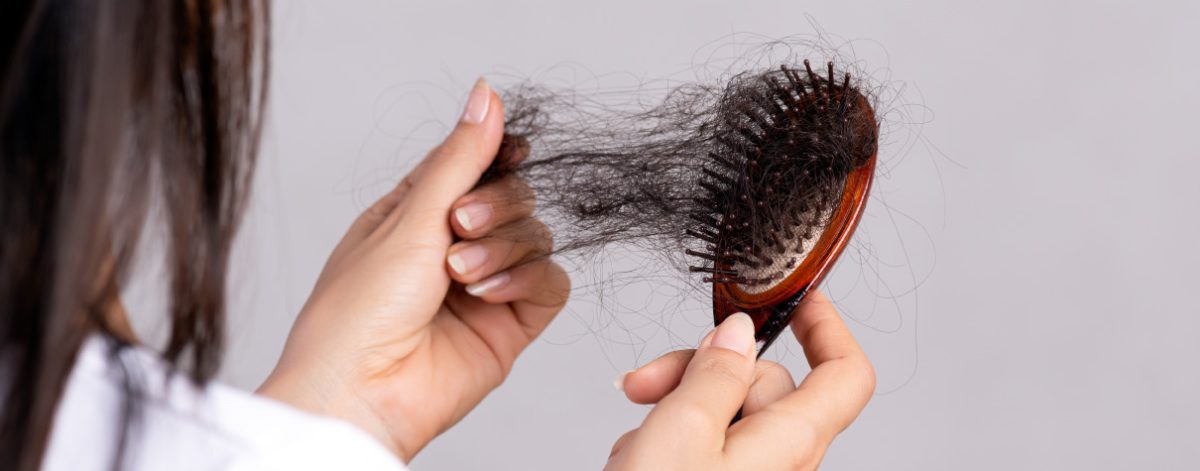
ITPS_CaidaCabello-1200x471.jpg

Alopecia and hair loss are hair-related conditions that can affect anyone. These disorders may be temporary or permanent and can have different causes, including genetics, hormonal changes, medical conditions, ageing or stress. There are several types of alopecia, mainly classified as scarring and non-scarring alopecia. Male and female pattern hair loss, as well as alopecia areata, are among the most common forms.

What is alopecia?

Alopecia is a condition that can affect people of all ages and genders, causing hair loss in different areas of the body. It may be temporary or permanent and can be associated with several factors, such as genetics, hormonal changes, medical conditions or stress.

Scarring alopecia

  • It involves the destruction of the hair follicle.
  • It may be irreversible.

Non-scarring alopecia

  • It is potentially reversible.

There are different types of alopecia, each with its own specific characteristics and causes. Individualised treatment may be required depending on the nature of the hair loss.

Types of alopecia

Alopecia can be classified into different types, each with distinct characteristics and causes.

Scarring alopecia

Scarring alopecia is an irreversible type of hair loss that involves the destruction of the hair follicle.

Characteristics

  • It causes scar tissue to form on the scalp.
  • It may be caused by infections, burns or autoimmune diseases.

Common causes

  • Genetic factors.
  • Autoimmune diseases such as lupus.

Non-scarring alopecia

Non-scarring alopecia is potentially reversible and can appear in different forms, including androgenetic alopecia, alopecia areata and traction alopecia.

Androgenetic alopecia

This is the most common type of baldness and affects both men and women. It is characterised by progressive hair loss.

Alopecia areata

Alopecia areata causes round patches of hair loss and is usually associated with a malfunction of the immune system.

Traction alopecia

This type of alopecia is caused by constant pulling on the hair, such as wearing tight braids or frequently tying the hair back in ponytails.

Causes of hair loss

Hair loss can be related to several factors. Identifying the underlying cause is important in order to determine the most appropriate treatment. Some of the most common causes include:

Genetic factors

Genetic predisposition plays a major role in hair loss, with hereditary pattern baldness being one of the main causes of alopecia.

Hormonal changes

Changes in hormone levels, such as those that occur during menopause or as a result of hormonal imbalances, can trigger hair loss.

Medical conditions

Lupus: An autoimmune disease that can cause hair loss as one of its symptoms.

Thyroid disorders: Changes in thyroid gland function can cause hair-related problems, including hair loss.

Stress and emotional factors

Physical and emotional stress can contribute significantly to hair loss. It may trigger sudden shedding or worsen pre-existing conditions.

Medicines and supplements

Some medicines and supplements may cause hair loss as a side effect. It is therefore important to review any possible interactions and consult a healthcare professional when experiencing this symptom.

Diagnosing alopecia

Diagnosing alopecia is essential to identify the cause of the hair loss and establish an appropriate treatment plan. The following aspects may be considered during the diagnostic process:

Medical history

The patient’s medical history is essential when diagnosing alopecia. The doctor will collect detailed information about the patient’s health, family history of baldness, previous medical treatments and other relevant factors that could be related to the hair loss.

Physical examination of the scalp

A physical examination of the scalp is a fundamental part of diagnosing alopecia. The doctor will carefully examine the scalp for signs such as inflammation, flaking, thinning areas or hair loss.

This examination helps determine the type of alopecia and its possible cause.

Additional tests

Blood tests

In some cases, blood tests may be required to assess hormone levels, thyroid function, the presence of autoimmune diseases or other factors that could be contributing to the alopecia.

Scalp biopsies

In certain cases, the doctor may recommend a scalp biopsy to obtain tissue samples for examination under a microscope. This can help diagnose specific types of alopecia and determine the most suitable treatment.

Male and female pattern hair loss

Characteristics of male pattern hair loss

Male pattern hair loss is characterised by a gradual loss of hair on the top of the head and around the temples. This type of alopecia mainly affects men and is usually associated with genetic and hormonal factors.

Distribution and affected areas

  • Hair loss usually begins at the crown and the temples, creating the classic receding M-shaped hairline.
  • Over time, the hair loss may extend towards the front and top of the head, creating a noticeable area of thinning.

Specific treatments

  • Treatment for male pattern hair loss may include topical medicines such as minoxidil, which can help stimulate hair growth.
  • In more advanced cases, a hair transplant may be considered to restore hair volume and density in the affected areas.

Characteristics of female pattern hair loss

Female pattern hair loss causes progressive thinning on the top of the head without usually resulting in complete baldness. Unlike male pattern hair loss, this form of alopecia tends to be more diffuse and less noticeable around the frontal hairline.

Distribution and affected areas

  • Women with female pattern hair loss experience reduced hair density in the central area of the scalp, which can make the hair appear less abundant.
  • The frontal hairline usually remains intact, although an overall reduction in hair volume and quality may be observed.

Specific treatments

  • Treatment for female pattern hair loss may include topical medicines such as minoxidil or oral treatments such as spironolactone, which can help slow down hair loss and stimulate hair growth.
  • It is important to consult a dermatologist to receive an accurate diagnosis and determine the best treatment approach for each individual case.

Alopecia areata

Alopecia areata is characterised by the sudden loss of hair in round or irregular patches, which can be a cause of concern for those affected. The symptoms and available topical and oral treatment options are described below.

Symptoms and clinical presentation

  • Sudden hair loss in localised areas.
  • Round or oval patches without visible signs of inflammation.
  • It may affect the scalp, eyebrows, eyelashes or beard.

Available treatments for alopecia areata

Topical treatments

  • Topical corticosteroids may be used to reduce inflammation and encourage hair growth.
  • Minoxidil may be applied to stimulate hair growth in the affected areas.

Oral treatments

  • Systemic corticosteroid treatment may be considered in cases involving extensive hair loss.
  • Immunosuppressive therapies may be used to regulate the immune system’s response to the condition.

Basic hair care

Maintaining good hair health is essential for keeping the hair strong and healthy. The following basic measures can help preserve the health of your hair:

Diet and essential nutrients

  • A balanced diet rich in vitamins and minerals is essential for healthy hair.
  • Important nutrients for hair health include biotin, zinc, iron and omega-3 fatty acids.

Scalp hygiene

  • Washing your hair regularly with a gentle shampoo suitable for your hair type helps keep the scalp clean and free from dirt and excess oil.
  • Avoiding the excessive use of hair products and washing the hair with very hot water can help prevent scalp dryness and irritation.

Habits that can help prevent hair loss

  • Avoiding very tight hairstyles and the frequent use of heated styling tools, such as hairdryers or straighteners, can reduce hair damage and hair loss.
  • Maintaining an active lifestyle and staying properly hydrated can support overall hair health.

Specialist medical care

When dealing with hair-related conditions such as alopecia and hair loss, it is important to seek specialist medical care to obtain an accurate diagnosis and appropriate treatment.

When should you consult a dermatologist?

  • When you notice any signs of abnormal hair loss.
  • When there are sudden changes in the health or appearance of your hair.
  • When hairless areas appear on the scalp.

The role of medical professionals in treating alopecia

Dermatologists and hair health specialists play an essential role in identifying the underlying cause of alopecia and recommending the most suitable available treatment.

Personalised treatment and medical follow-up

Every case of hair loss is different. Treatment must therefore be personalised to meet the individual needs of each patient.

Appropriate medical follow-up helps ensure that the treatment is effective and allows it to be adjusted according to the progression of the condition.


proteccion-solar-dermotologo.jpg

August is here, bringing with it the need to protect our skin from the sun’s harmful rays. Keeping our skin healthy and radiant is not only a matter of appearance, but also of health. In this post, we explain why using sunscreen is essential and how you can help prevent skin cancer.

At Palm Mar Medical Center, we care about your well-being and want to offer you the best advice so you can enjoy the sun safely. Keep reading to discover how to take proper care of your skin!

The impact of the sun on our skin

The sun is a vital source of energy and vitamin D, but it also emits ultraviolet (UV) radiation, which can damage our skin. Overexposure to UV rays can cause sunburn, premature skin ageing, dark spots and, most importantly, an increased risk of developing skin cancer.

Dermatologist examining a mole

Why is sunscreen essential?

Using sunscreen is essential to protect our skin from the harmful effects of the sun. A good sunscreen acts as a barrier that absorbs and reflects UV rays, preventing them from penetrating the deeper layers of the skin.

It also helps prevent cellular damage and the development of mutations that could potentially lead to skin tumours.

How to choose the right sunscreen

To ensure effective protection, it is important to choose the right sunscreen. Look for a product that provides broad-spectrum protection against both UVA and UVB rays, with a sun protection factor (SPF) of at least 30.

If you have sensitive or allergy-prone skin, choose a hypoallergenic, fragrance-free sunscreen.

How to apply sunscreen correctly

The way we apply sunscreen is also crucial to ensuring its effectiveness. Apply a generous and even amount to all exposed areas of the skin at least 30 minutes before sun exposure.

Do not forget areas such as the ears, lips, neck and backs of the hands. It is important to reapply sunscreen every two hours, especially after swimming or sweating.

It is important to remember that protecting our skin from the sun is not only necessary during beach holidays. It should be part of our daily routine throughout the year. Even on cloudy days or during winter, UV rays can damage the skin and increase the risk of long-term skin conditions.

Incorporating sunscreen into our daily routine, together with other preventive measures, helps us maintain healthy skin and reduce the risk of developing skin cancer in the future.

Sunscreen cream for sun protection

Preventing skin cancer

In addition to using sunscreen correctly, it is essential to adopt preventive measures to reduce the risk of skin cancer:

Avoid sun exposure during peak hours. The sun is strongest between 10 a.m. and 4 p.m., so try to limit your exposure during these hours and seek shade whenever possible.

Wear protective clothing. Ideally, wear clothing that covers your skin when you are exposed to the sun. We also recommend wearing wide-brimmed hats and sunglasses to protect both your skin and your eyes.

Avoid tanning beds. Tanning beds emit harmful UV rays and increase the risk of skin cancer.

Stay hydrated. Keep your skin properly hydrated to help protect it and prevent dryness and sun-related damage.

Avoid excessive tanning. A deep tan is a sign of skin damage. Choose gradual, natural tanning and always take the necessary precautions.

Carry out regular skin self-examinations. Get to know your skin and check it regularly for changes in moles or suspicious marks. If you notice anything unusual, consult a dermatologist immediately.

Protecting your skin from the sun during summer

Protecting our skin from the sun is essential to prevent long-term damage and reduce the risk of skin cancer.

At Palm Mar Medical Center, we are committed to your well-being and encourage you to adopt healthy habits to look after your skin. Always remember to use suitable sunscreen, avoid excessive sun exposure and carry out regular skin self-examinations.

Your skin will thank you, and you will be able to enjoy the sun safely and responsibly. Take care of yourself and enjoy a radiant summer!


Programa Kit Digital. Cofinanciado por los Fondos Next Generation (EU) del Mecanismo de Recuperación y Resiliencia

Authorised Medical Centre #8464 – Legal NoticeWeb AgencyContact

Scan the code